Brick Rescues Janae from Attack
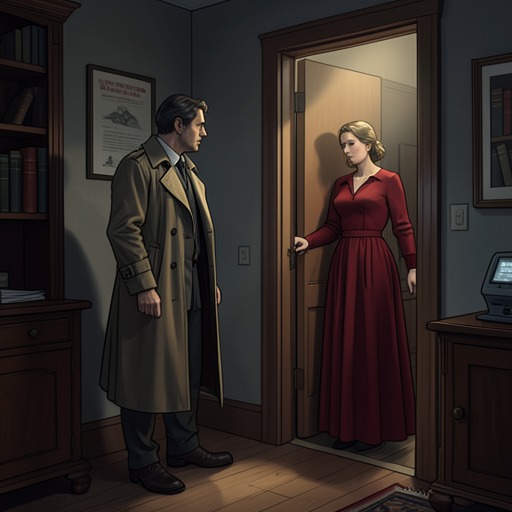
I'm Still Here- What didn't kill me made me stronger and sharperBrick’s rescue of Janae in Cleveland is the decisive reversal of an assignment he accepted for money: the woman he had been paid to destroy becomes someone he risks himself to protect. The scene binds that reversal to a chain of immediate choices—Janae leaves cocaine on the bus, Brick disposes of it rather than risk arrest, and then, when she disappears, he goes looking for her. His intervention saves her from an attacker who has taken her envelope, but it does not erase the mistrust and anger between them.
Background and Stakes
Before the Cleveland attack, Brick has been shown the money and photograph connected to a contract against Janae. Dr. E, dressed expensively and visibly distressed, transfers $25,000 to his account and asks him to get rid of her. The assignment is framed not merely as killing: the instruction is to destroy Janae as completely as possible and ensure she never returns to Buffalo. Brick has read about her in the paper and seen her in videos; at first he regards her as a naive woman involved with a bad man and wonders whether she is someone he should help. That uncertainty makes the rescue a meaningful turn in his conduct, not the completion of his hired task.
On the bus, Janae’s envelope makes her money visible to a man watching her. The danger is established before the attack: Brick notices the man’s attention when Janae takes out the envelope. When she later leaves the bus, Brick recognizes the same man accompanying her. The scene connects the assault to a risk already present in the journey, while withholding any fuller account of the attacker’s identity or plans.
The Cleveland Stop
At the Cleveland depot, border-patrol officers board the bus and tell passengers not to get off. Janae has gone to the bathroom, leaving behind a clear plastic bag containing a powdery substance. Brick recognizes it as cocaine and puts it in his pocket, worried that the officers or their dogs might discover drugs that do not belong to him. As the officers check identification, he hides the bag in his shoe. Once they leave, he gets off the bus and throws it away.
His response is both practical and costly: he has avoided carrying Janae’s cocaine through the inspection, but he has also left the bus while she is still absent. When he returns and asks the driver about a heavyset Black woman in a blue jacket, the driver says she got off with a tall man. Brick connects him to the man who had watched her money. He runs toward the alley, finds Janae gone, and cannot explain to himself why he is searching for a stranger. His uncertainty echoes his earlier question about whether she is the person he is supposed to save; here, concern has become action before he has resolved what it means.
Assault and Rescue
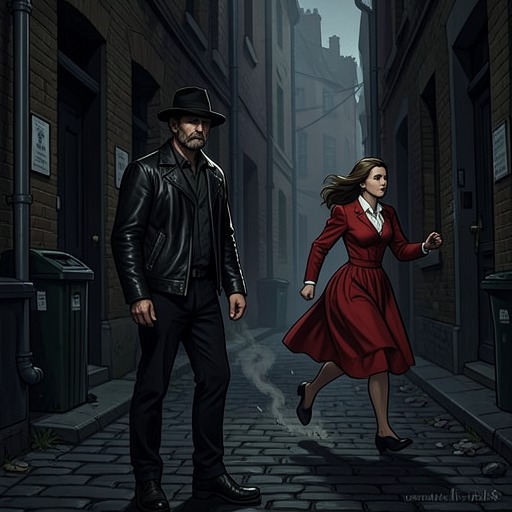
Janae’s account makes the immediate stakes bodily and unmistakable. The man puts his hands around her throat and reaches for her money. She struggles to breathe, scratches at his hands, and fights back by kicking and biting him. After she breaks free, he catches her again by the neck of her hoodie. Janae believes she is going to die and manages to call for help.
She slips in the mud, and the attacker lands on top of her. Brick arrives, lifts him off, grabs him by the throat, punches him in the stomach, and slams him onto the concrete. He continues the beating, striking the man in the ribs and stomping on his chest, then searches his pockets and takes the envelope back. The rescue is forceful rather than calm or procedural; Brick’s intervention stops the immediate assault, but his violence leaves the attacker bloodied. He then helps Janae up, brushes mud from her clothes, and wipes her face and hands with a towel from his bag.
Aftermath and Significance
Brick’s words make clear that his protection does not mean he approves of Janae’s decisions. He rebukes her for leaving cocaine where he could have been arrested and for going with a stranger to obtain more, calling the choice a danger to her life. His anger follows directly from the bus stop and alley: he has taken responsibility for a threat that arose partly from circumstances she did not know he had noticed, but he speaks as someone who believes her actions have put both of them at risk. Janae answers that being rescued does not give him the right to speak to her however he likes, and reminds him that he does not know her. The exchange preserves her dignity and agency; gratitude does not cancel her right to challenge him.
When Brick takes the envelope from the attacker, he calls Janae “my lady” and the money “my loot.” The possessive phrasing conveys an abrupt claim of responsibility, but it also keeps the event’s tension alive: he has moved from accepting money to harm her to recovering her money from the person harming her. The rescue therefore reverses the assignment without resolving their relationship. Its significance lies in the gap between Brick’s uncertainty about why he is searching and the certainty of what he does when Janae calls for help.